
Over the years, swimsuits in competitive swimming have evolved significantly, with advancements in materials and technologies. However, what do Olympic swimmers wear?
You may see some products here which has either been used by us or independently selected by (obsessive) editors. As an Amazon associate, I earn from qualifying purchases at no extra cost to you.
Olympic swimmers wear competitive swimwear like traditional swimsuits like kneeskin swimsuits made of lycra or polyester for practice sessions or “tech suits” made of advanced materials like polyurethane for top-level competitions. These swimwears are worn to reduce drag in the water and aid an effective performance.
What Are Competitive Swimsuits?
Competitive swimsuits are specialized swimwear designed specifically for use in competitive swimming. These swimsuits are made of advanced materials and feature unique designs that optimize a swimmer’s performance in the water.
For example, high-quality, competitive swimsuits are often constructed with polyurethane, elastane, or blended fabrics that offer compression, buoyancy, and reduced drag. These materials are chosen for their ability to enhance a swimmer’s speed and hydrodynamics, giving them a competitive edge in the pool.
What Are Olympic Swimming Suits Made Of?
Olympic swimmers wear swimsuits made from elastane, spandex, nylon, or polyester. The only non-acceptable swimwear in the Olympic Games is those using non-textile materials like polyurethane panels. Brands such as Speedo, Arena, TYR, or Finis are a ready source of standard Olympic swimsuits for competitive and open water swimmers. Also, if you are a triathlete, get your Olympic swimsuits from brands like Orca, TYR, or BlueSeventy.
Why Do Olympic Swimmers Wear Long Swimsuits?
1. To reduce drag in the water
Long swimsuits are designed to fit tightly on the body and reduce drag, which is the resistance swimmers encounter while moving through the water. The sleek, form-fitting design of long swimsuits helps minimize water resistance, allowing swimmers to move more efficiently and swiftly in the water. This can lead to improved performance and faster swim times.
2. To enhance hydrodynamics
Long swimsuits are often made of advanced hydrophobic materials that repel water. This helps reduce the amount of water that clings to the swimsuit, further reducing drag and allowing swimmers to glide through the water with less resistance. Enhanced hydrodynamics can contribute to improved swim performance and increased speed in the water.
3. To help reduce muscle vibration and fatigue
Many long swimsuits are designed with compression features, which provide targeted pressure on specific muscle groups. Compression can help reduce muscle vibration and fatigue and increase blood flow to the muscles, which may aid performance and recovery. Compression swimsuits are especially popular among competitive swimmers seeking an edge in their performance.
4. It gives muscle support
Long swimsuits often offer additional muscle support, helping minimize muscle strain and potential injury. This can be especially beneficial during long training sessions or competitions when swimmers push their bodies to the limit. The added muscle support provided by long swimsuits can help swimmers maintain proper form and technique, leading to improved performance.
5. It helps to be flexible in the water
Swimmers can move their arms and legs freely without feeling restricted by the swimsuit. This flexibility allows swimmers to execute their strokes and movements precisely, leading to better performance in the water.
6. It provides more coverage
Long swimsuits provide more coverage than shorter swim trunks or bikinis, making swimmers feel more comfortable and confident in the water. The additional coverage can also protect the skin from prolonged exposure to chlorine and other harsh chemicals found in pool water, reducing the risk of skin irritation.
What Do Male Olympic Swimmers Wear?
Male Olympic swimmers wear competitive swim trunks, also referred to as swim briefs or jammers, during competitions. These swim trunks are specifically designed to optimize performance in the water and are made of advanced materials that offer properties such as reduced drag, improved hydrodynamics, and muscle compression.
What Do Female Olympic Swimmers Wear?
Female Olympic swimmers wear competitive swimsuits designed specifically for women, known as women’s Olympic swimsuits. These high-performance swimsuits are made of advanced materials that offer reduced drag, improved hydrodynamics, and muscle compression to optimize performance in the water.
In addition, women’s Olympic swimsuits come in various styles, including one-piece and two-piece bikinis. They aree carefully designed to provide a comfortable fit and maximum flexibility for swimmers.
Why Are Women’s Olympic Swimsuits Tight?
Most Olympic swimsuits come from more robust and light threads consisting of carbon fiber. The presence of these carbon fibers improves the material’s overall strength and reduces its chances of tearing. In the end, you have a tight suit that will require ample time to put on. A swimmer might spend anywhere between 20 to 30 minutes attempting to get into their swimsuit.
Which Swimsuit Was Banned From the Olympics?
The swimsuit banned from the Olympics is commonly called the “LZR Racer” swimsuit. The LZR Racer was a high-tech racing suit manufactured by Speedo, which was introduced in 2008 and gained significant attention for its impact on swimming performance. The LZR Racer was made of polyurethane fabric and featured compression panels that claimed to reduce drag and increase buoyancy, improving swim times.
However, the suit’s enhanced performance capabilities led to controversy and concerns about unfair advantages, resulting in its ban from competitive swimming by the International Swimming Federation (FINA) in 2010. Since then, swimming governing bodies have implemented stricter regulations on swimsuits to maintain fairness and ensure that the focus remains on the skill and abilities of the athletes rather than the technology of their swimwear.
Why are Full Body Swimsuit Banned?
Full-body swimsuits have been banned for Olympic swimmers due to concerns about unfair advantages, cost barriers, and the integrity of the sport. These suits were made of advanced materials that provided an unfair boost in performance, potentially creating an uneven playing field among athletes.
Also, the high cost of these suits created a barrier for athletes who could not afford them, creating inequality in access. Moreover, the ban on full-body swimsuits was introduced by the International Swimming Federation (FINA) in 2010 to maintain the integrity of competitive swimming and uphold the traditional values of the sport. The focus in the Olympic Games should be on the athletes’ natural abilities and talent rather than external factors such as swimwear technology.
Do Olympic Swimsuits Compress Breasts?
Yes, Olympic swimsuits are tight and often compress the breast like those in a sports bra. This tightness is because swimmers need to maintain a streamlined shape in water to improve mobility and performance. So tight swimsuits used in the Olympics helps hold the breast firmly in place while reducing any potential for drag to occur.
This compression has nothing to do with the size of female swimmers’ breasts. Small breasts in female swimmers are since swimmers who go on to perform at the Olympics start at a young age as such the upper body undergoes development to create the perfect swimming body.
Best Swimsuits for Olympic Competitive Swimmers

1. Nike Women’s Hydrastrong Racerback One-piece

Designed for active female swimmers, it has flat seams and comes with apple back coverage. The swimwear is comfortable and usable with a wide range of water-based activities.
2. Arena Powerskin ST 2.0 Men’s Jammers Swimsuit
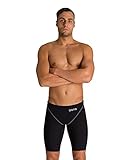
This swimsuit uses uses a knitted fabric to give an improved all-round performance. Strong enough to create a well-streamlined structure in water. This is a quality buy for active swimmers who intend to achieve Olympic standard swimming style.
3. Blueseventy NeroTX Kneeskin Swimsuit
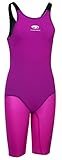
This swimsuit comprises treated nylon and hydrophobic fabric that offers high compression. It is lightweight, utilizing ultrasonic heat-bonded seams to reduce drag further.
4. MY KILOMETRE Jammer Swimsuit
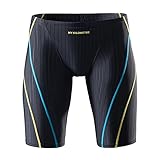
This swimsuit has a stretch waist and an interior drawcord for a comfortable and adjustable fit. It uses a composite material with a flat-lock seam for extra durability.
Conclusion
Olympic swimsuits differ from regular one-piece or two-piece swimsuits because they support you when in water. They make for an excellent booster of speed and buoyancy while improving overall performance. Olympic swimsuits have been controversial, especially with full-body suits made famous by the American swimmer Michael Phelps. Although banned, some Olympic swimsuits today still push the boundaries of physical abilities with technology.
