
Going out to the beach is enjoyable. It comes with benefits and struggles alike. As it is a time to enjoy the cool beach breeze, it is also when self-doubt kicks in. For some, they search for ways to cover their inadequacies, which swimwear does little to cover, and because of that, they opt for sarong as a saving grace. But while sarongs give the desired cover-up, can you wear a sarong in the water?
You may see some products here which has either been used by us or independently selected by (obsessive) editors. As an Amazon associate, I earn from qualifying purchases at no extra cost to you.
No, you cannot, because a sarong is not meant to be worn in the water. Although sarongs are often made from quick-drying fabrics, they are not designed for swimming.
The reason not to wear a sarong in the water is simple: a sarong’s loose fit could make it difficult to swim, as it may become tangled or caught on your legs.
This article will focus on why you shouldn’t swim with a sarong and alternatives to use instead of sarongs.
3 Reasons Sarong Is Not Suitable For Swimming

If you’re planning to hit the beach, it’s common to see people wearing sarongs as a quick and easy cover-up. However, if you’re thinking about going for a swim with your sarong on, I’d advise against it for a few reasons.
1. Sarongs are not designed for swimming
They can easily get tangled up in your legs or caught in the water, making it challenging to move around and swim freely. This can not only be frustrating, but it can also be dangerous, especially if you’re not a strong swimmer.
2. Wearing a sarong in the water can pose a hygiene risk
Sarongs are often made from lightweight and porous materials unsuitable for soaking in water for extended periods. When wet, they can quickly become heavy, and uncomfortable and retain bacteria, sweat, and other pollutants that can cause skin irritation or infection.
3. Becomes see-through when wet
If you choose to swim with a sarong, it’s likely to become see-through when wet, revealing your swimsuit or body underneath. While this might not be a problem for some, it could be embarrassing or uncomfortable for others.
What Can I Wear Instead of Sarong for Swimming?
There are several options to choose from, depending on your personal preference and style.
1. Tankini

You might want to consider a tankini for a swimsuit that offers a balance of modesty and style. As someone who loves spending time in the water, I’ve found that tankinis are a great alternative to a sarong. A tankini typically consists of a tank top-style upper portion made of spandex and cotton or Lycra and nylon and a bikini bottom.
2. Swim skirt
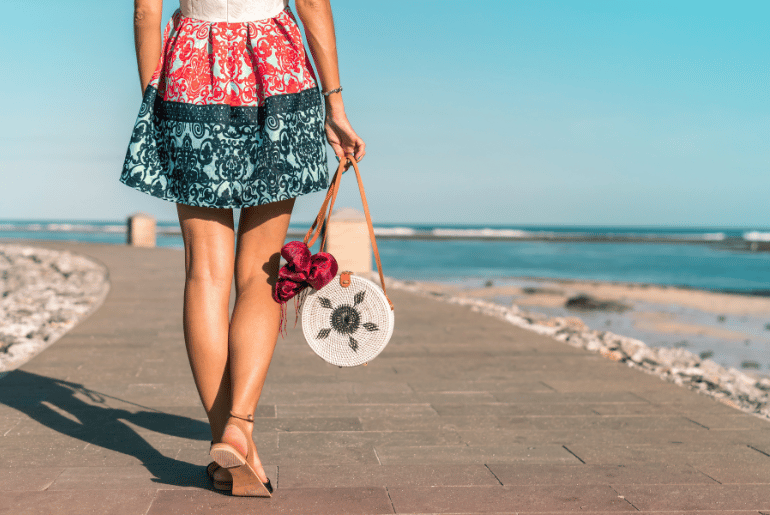
Another option is a swim skirt. These are perfect for those who prefer more coverage on their bottom half while still feeling feminine and stylish. Swim skirts come in different lengths, from mini to maxi, and are made from quick-drying fabrics, such as nylon or spandex. They can be worn over a swimsuit or paired with a swim top.
3. Rash guard

For something more sporty, consider a rash guard. These tight-fitting, long-sleeved tops made from moisture-wicking fabric provide sun protection and freedom of movement. They come in a range of colors and patterns, so you can choose one that suits your style.
Where Do You Wear a Sarong?
The sarong is a versatile and comfortable garment that can be worn on different occasions. Here are some examples:
1. Beach
As I mentioned earlier, the beach is one of the most common places to wear a sarong. You can use it as a cover-up over your swimsuit or as a beach dress, and its lightweight material will help keep you cool on hot days.
2. Pool Party
A sarong is a perfect choice for a pool party. It can be worn over your swimsuit, and you can choose a vibrant color or pattern that complements your swimwear. Plus, you can easily take it off if you want to jump in the pool.
3. Summer BBQ
A sarong is a great option for a summer barbecue. You can wear it as a dress or skirt and pair it with a simple tank top. It’s a comfortable and stylish choice, perfect for warm weather.
4. Wedding
In some cultures, sarongs are worn as part of traditional dress for weddings and other ceremonies. For example, a sarong in a luxurious fabric like silk can be a chic and elegant choice if you’re attending a beach wedding.
5. Festival
A sarong is a perfect choice for a festival or outdoor concert. It’s lightweight and easy to move around, making it great for dancing and enjoying music. The vibrant colors and patterns can add a fun and festive touch to your outfit.
Can You Wear a Beach Skirt in the Water?
Absolutely yes, you can wear a beach skirt in the water. Beach skirts can be a great choice for swimming or lounging in the water. They are typically made of lightweight, quick-drying fabrics that are perfect for the beach or pool. Plus, they come in various styles, from flowy maxi skirts to shorter, more fitted options.
Which Fabric Is Not Allowed For Swimming?
Fabrics that are not suitable for swimming include those that are too thick, heavy, or absorbent. Some examples of fabrics that are not appropriate for swimming include wool, denim, cotton, and corduroy. These fabrics can be very absorbent and heavy when wet, which can weigh a swimmer down and make it difficult to move in the water.
What Can I Wear in to Swim Besides a Swimsuit?
Rash guard, wetsuit, Board shorts, athletic leggings, swim leggings, and swim dresses are all alternative choices in place of swimsuit for both men and women. They are made from quick-drying, water-resistant fabric that can be worn in the water.
Conclusion
While a sarong may not be the best choice for swimming or other water activities, it can be worn over a swimsuit as a cover-up or as a beach dress, allowing you to move seamlessly between the water and the beach. With its lightweight material and beautiful designs, the sarong is a great addition to your beachwear collection and can be a comfortable and stylish choice for any day spent near the water.
