
Swimming is a popular activity for people of all ages, whether it’s for leisure or competition. However, for those who enjoy swimming in colder waters, it’s important to have proper gear to ensure safety and comfort. Two popular options for swimming in cold water are wetsuits and drysuits. But which one is better?.
You may see some products here which has either been used by us or independently selected by (obsessive) editors. As an Amazon associate, I earn from qualifying purchases at no extra cost to you.
Wetsuits are made from neoprene and are designed to be tight-fitting, while drysuits are made from waterproof materials and are designed to keep you completely dry. When deciding which one is better for swimming, it’s important to consider the differences between the two and the specific conditions in which you’ll be swimming.
In this post, we’ll take a closer look at the differences between wetsuits and drysuits, and the benefits and drawbacks of each.
What is a Wetsuit?

Wetsuits are specialized clothing created to provide thermal insulation to the wearer while swimming in cold water. One of the most important things to understand about wetsuits is the different types available.
Shorty wetsuits are ideal for warm water, while full wetsuits provide better insulation in colder water. Specialty wetsuits designed for activities such as surfing, diving, and triathlons are also available.
Also, the materials used in wetsuits are critical to their effectiveness. Neoprene is the primary material used for wetsuits, but different grades of neoprene provide different levels of warmth and flexibility.
The Benefits of Wearing Wetsuits
- Provides thermal insulation, keeping the swimmer warm in cold water
- Offers buoyancy, helping the swimmer stay afloat and conserve energy
- Protects the skin from chafing and sunburn
- Helps prevent hypothermia
- Increases comfort while swimming in cold water
- Enhances performance by improving hydrodynamics and reducing drag
- Provides added safety in case of emergency situations
- Can be used for a variety of water activities, such as swimming, surfing, diving, and triathlons.
Drawbacks of Wetsuits for Swimming
- Wetsuits can be uncomfortable to wear for long periods of time, as they can be tight-fitting and restrictive.
- Wetsuits can be difficult to put on and take off, especially when wet.
- Wetsuits can become heavy when wet, which can make it more difficult to swim.
What is Drysuit?
Drysuits are a type of waterproof suit designed to keep the wearer dry while swimming. Unlike wetsuits, which are made of neoprene and allow a small amount of water to enter, dry suits completely seal the wearer off from the water. They are made of materials such as Gore-Tex, which is breathable and waterproof.
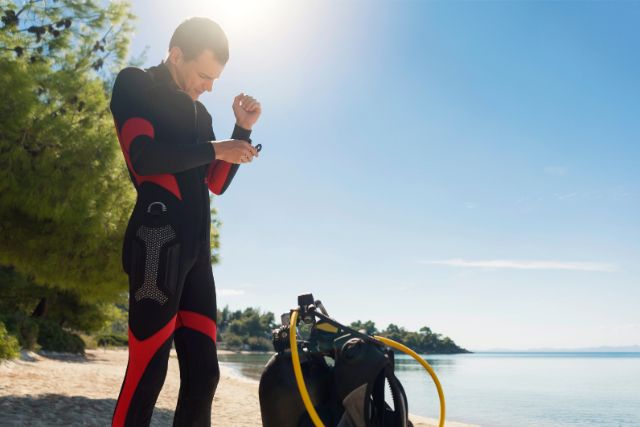
Also, there are different types of drysuits available, each with its unique features. Trilaminate drysuits are made of three layers of material and are lightweight, durable, and easy to repair. Neoprene drysuits are made of the same material as wetsuits but are designed to keep the wearer completely dry. Membrane drysuits are made of a single layer of material and are lightweight and flexible.
The Benefits of Wearing Drysuit
- Keeps the wearer completely dry, providing complete protection from the water
- Provides thermal insulation, keeping the wearer warm in cold water
- Ideal for activities such as snorkeling, diving, and kayaking, where complete protection from the water is necessary
- Helps prevent hypothermia
- Enhances comfort and safety in cold water
Drawbacks of Drysuits for Swimming
- Drysuits can be more expensive than wetsuits.
- Drysuits are typically less flexible than wetsuits, which can make it more difficult to move and swim.
- Drysuits can be more cumbersome to wear and can limit your range of motion.
The Differences Between a Wetsuit and a Drysuit
The main difference between wetsuit and drysuit is in their level of warmth and the waterproofing effect provided. You know a wetsuit is not waterproof from its name, which means you will still get wet when using one. Drysuits, however, are made to be completely waterproof, ensuring water stays away from your skin. Below are more differences between the two swimwear:
| Features | Wetsuit | Drysuit |
|---|---|---|
| Material | Neoprene, typically with nylon or polyester outer layer | Gore-Tex, neoprene, or rubber |
| Water Protection | Allows a small amount of water to enter and warm up between the suit and the skin | Completely seals the wearer off from the water |
| Thermal Insulation | Provides some insulation by trapping and warming a thin layer of water between the suit and the skin | Provides thermal insulation to keep the wearer warm in cold water |
| Buoyancy | Provides some buoyancy to help the swimmer stay afloat and conserve energy | Does not provide buoyancy |
| Use Cases | Best for activities such as surfing, swimming, and triathlons where a small amount of water can be beneficial | Ideal for activities such as snorkeling, diving, and kayaking where complete protection from the water is necessary |
| Maintenance | Requires proper cleaning and drying to prevent odors and extend the lifespan | Requires proper storage and care to prevent damage to the waterproof membrane |
| Cost | Typically less expensive than drysuits | Typically more expensive than wetsuits |
Comparison of Materials
| Material | Wetsuits | Drysuits |
|---|---|---|
| Neoprene | Made from synthetic rubber | Sometimes used for seals, but not typically for the entire suit. |
| Nylon | Often used as an outer layer for durability and stretch | Sometimes used as an outer layer, but less common than in wetsuits |
| Polyester | Often used as an outer layer for durability and stretch | Sometimes used as an outer layer, but less common than in wetsuits |
| Gore-Tex | Not used in wetsuits | A waterproof and breathable membrane used in some drysuits for comfort and protection |
| Rubber | Not commonly used in modern wetsuits | Often used in drysuits for durability and waterproofing |
| Polyurethane | Sometimes used as a coating on neoprene for added durability | Not commonly used in drysuits |
Factors to Consider When Choosing Between Wetsuits and Drysuits For Swimming
1. Consider the water temperature
The temperature of the water you’ll be swimming in is one of the most important factors to consider when choosing between a wetsuit and a drysuit. Wetsuits are designed for use in warmer water, around 50-78°F (10-25°C), while drysuits are better suited for colder water, below 50°F (10°C).
2. Know the type of activity
The type of activity you’ll be doing in the water is another important consideration. If you’ll be doing a lot of swimming or other activities that require a lot of movement, a wetsuit is likely your best choice as it provides greater freedom of movement. If you’ll be diving or snorkeling, a drysuit is a better option as it provides complete protection from the water.
3. Consider its buoyancy
Wetsuits provide some buoyancy, which can be helpful for conserving energy and staying afloat. Drysuits, on the other hand, do not provide buoyancy and can be tiring to swim in for extended periods of time.
4. Choose a wetsuit or drysuit that fits well
A properly fitting wetsuit should be snug but not too tight, while a drysuit should allow for some room to layer clothing underneath.
5. Choose the one with high quality
Both wetsuits and drysuits can be expensive, so it’s important to choose a suit that will last. Look for suits made from high-quality materials that are designed to withstand frequent use and exposure to salt water and other elements.
6. Consider the maintenance requirements
Both wetsuits and drysuits require proper maintenance to ensure longevity and optimal performance. Consider the care and maintenance requirements of each suit before making your choice.
Is a Wetsuit or Drysuit Better for Cold Water Swimming?
A drysuit is better for cold water swimming than a wetsuit. This is because dry suits keep the wearer completely dry, while wetsuits trap a thin layer of water between the suit and the skin, which is warmed by the body heat.
Is a Wetsuit Warmer Than a Drysuit?
A wetsuit is not necessarily warmer than a dry suit in all situations. In fact, the warmth of a wetsuit depends on the thickness of the neoprene material, while the warmth of a drysuit depends on the insulation material used.
Can you swim in dry suit?
Yes, you can swim in a dry suit. However, I wouldn’t advise you to consider it. Dry suits are bulky, have air pockets, and use tight seals, making swimming in them highly uncomfortable.
Yes, wetsuits are suitable garments for swimming either in a pool or at the beach.
It depends on the specific wetsuit. Some wetsuits are made with latex or neoprene, which can cause skin irritation or allergic reactions in some individuals. However, many wetsuits are made with synthetic materials that are hypoallergenic and do not contain latex.
Yes, you can wear clothes under a drysuit. Can you swim in dry suit?
Can you swim in wetsuit?
Do wetsuits contain latex?
Can you wear clothes under a drysuit?
Conclusion
When it comes to wetsuits and drysuits, differences abound. And although both wears are for use in water, they often have different practicality. Drysuits keep you dry but can still get your undergarments wet from precipitation and condensation, while wetsuits keep you warm but still allow water flow. Interestingly, the range of use of both garments is massive. This makes shopping for the right one for you a whole lot easier.
