

Swimming has long been a favored recreational activity, and as fashion trends evolve, so do the options for swimwear. Bodysuits, once primarily associated with athletics and fashion, have now become a subject of intrigue for water enthusiasts. In this exploration, I’ll answer the question: Can you swim in a bodysuit?
You may see some products here which has either been used by us or independently selected by (obsessive) editors. As an Amazon associate, I earn from qualifying purchases at no extra cost to you.
In this article, I will dive deeper into the world of bodysuits and tell you everything you need to know about swimming in them.
Is it Ideal to Swim in a Bodysuit?
Yes, you can swim in a bodysuit designed for aquatic activities. These specialized bodysuits are designed for swimming and provide full coverage and flexibility in the water. They are made from materials that can withstand water and dry quickly, making them a great swimwear option.
Benefits of Swimming in a Bodysuit
Swimming in a bodysuit comes with various benefits, making it a popular choice for water enthusiasts. Here are some key advantages:
1. Confidence and comfort
Swimming in a bodysuit can boost your confidence and make you feel more comfortable in the water. Bodysuits provide full coverage, allowing you to swim without exposing too much skin if that’s something you’re conscious of. Many people feel more at ease in a bodysuit, especially if they have body image concerns or prefer a modest swimwear option.
2. Sun protection
One of the key benefits of swimming in a bodysuit is the additional sun protection it offers. Many bodysuits are made from fabric that has a UPF (Ultraviolet Protection Factor) rating. This rating indicates the level of protection the fabric provides against harmful UV rays. By wearing a bodysuit, you can shield your skin from the sun and reduce the risk of sunburn and long-term sun damage. This is especially important during outdoor swimming activities or when swimming in pools with limited shade.
3. Stay in place and move freely
Bodysuits are designed to stay in place, even during rigorous movements in the water. Unlike traditional swimwear like bikinis or swim trunks that may shift or ride up, a well-fitted bodysuit will remain firmly in place. This allows you to swim, dive, and play in the water without any worries of your swimwear shifting or becoming uncomfortable.
4. Versatility and functionality
Bodysuits are not just limited to swimming; they can also be used for other water activities like surfing, paddleboarding, or water aerobics. The snug fit and stretchy fabric of a bodysuit make it ideal for various water sports and activities. Plus, the quick-drying material ensures that you won’t be left feeling damp and uncomfortable after your swim.
5. Suitable for various body types
Bodysuits come in a wide range of styles and cuts to suit different body types and preferences. Whether you prefer a high-neck, low-back, or halter-style bodysuit, you can find one that flatters your figure and makes you feel confident. Some bodysuits also come with built-in bras or bust support, which can be especially beneficial for women looking for extra support while swimming.
6. Ideal for athletic swimming
If you’re an athlete or an avid swimmer, a bodysuit is an excellent choice. The streamlined design of a bodysuit reduces drag in the water, allowing you to swim faster and more efficiently. This is why professional swimmers often opt for bodysuits during competitive races to enhance their performance.
Downsides of Swimming in a Bodysuit
While swimming in a bodysuit can offer several advantages, it’s essential to consider potential downsides before diving in. Here are some drawbacks to be aware of:
1. Limits tan lines
One potential downside of swimming in a bodysuit is that it can result in more noticeable and defined tan lines compared to traditional swimwear. The full coverage provided by a bodysuit means that areas of your body covered by the suit will receive less exposure to the sun, resulting in a contrast between these areas and those exposed to the sun.
2. Restricts breathability
While bodysuits are typically made from breathable fabrics, the full coverage design may not provide the same level of ventilation as other swimwear options. If you prioritize breathability and airflow while swimming, you may want to consider alternative swimwear styles.
3. Limited fashion variety
Traditional swimwear like bikinis and one-pieces often come in a wide range of patterns, colors, and cuts to suit different preferences and fashion tastes. On the other hand, bodysuits tend to have a more streamlined and minimalist design.
4. Storage challenges
Bodysuits can present some storage challenges compared to other swimwear options. Their one-piece design means that they can be bulkier to fold and store in a beach bag or suitcase. If you’re someone who values convenience and easy storage when it comes to swimwear, you may find that bodysuits require a bit more effort and consideration in terms of packing and drying.
Types of Bodysuits Ideal for Swimming
There are specific types of bodysuits designed with features ideal for swimming. Here are some:
1. Racerback bodysuits

Racerback bodysuits are an ideal choice for swimming due to their sporty design and functionality. The racerback style provides excellent shoulder mobility, allowing for unrestricted arm movement while swimming. These bodysuits often have a higher neckline and a supportive fit, making them suitable for active swimming or water sports.
2. High-neck bodysuits
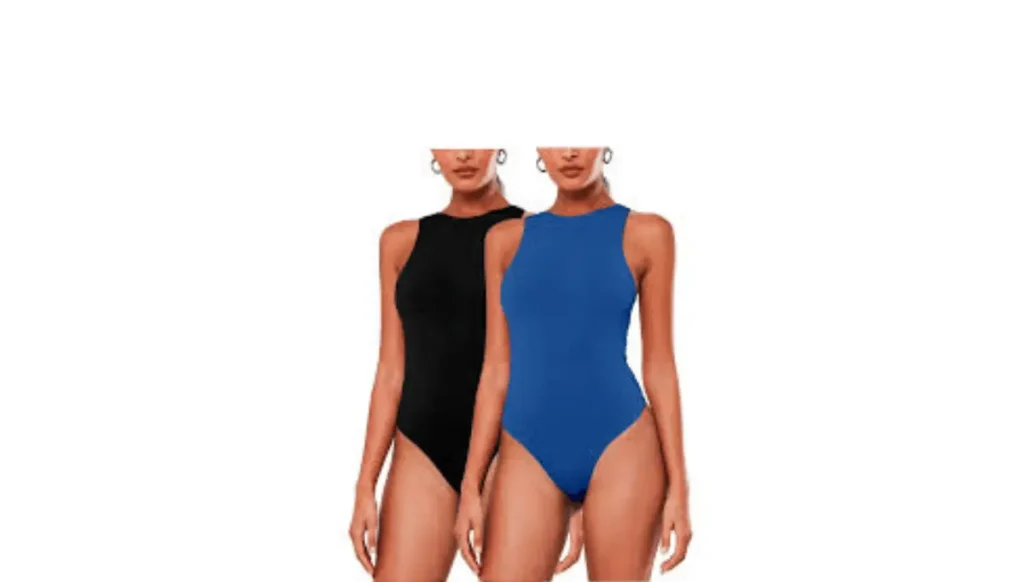
High-neck bodysuits are another popular option for swimming. These bodysuits feature a higher neckline that provides extra coverage and sun protection for the chest and neck area. High-neck designs can vary, with some incorporating stylish cut-outs or detailing.
3. Long-sleeve bodysuits

Long-sleeve bodysuits are an excellent choice for individuals looking for added sun protection and coverage. These bodysuits typically have long sleeves that provide UV protection for the arms and shoulders. They offer full coverage from shoulder to wrist and can be particularly beneficial for those swimming outdoors or in areas with intense sun exposure.
4. Zip-front bodysuits
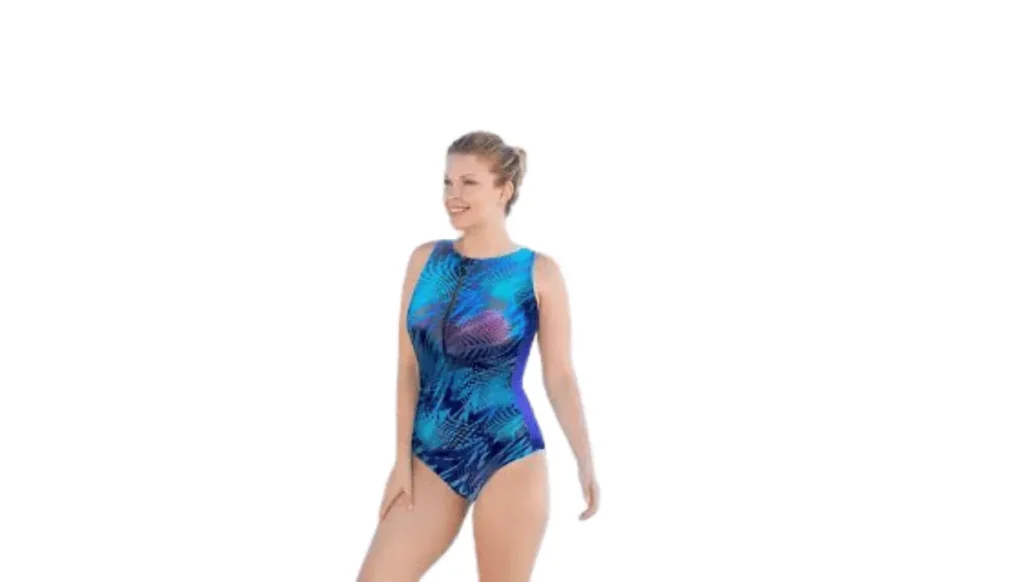
Zip-front bodysuits are a convenient and versatile option for swimming. These bodysuits feature a front zipper that allows for easy on and off, making them a practical choice for changing quickly. The zipper closure also provides additional control over the fit and coverage of the bodysuit.
5. Cut-out bodysuits

For those looking to make a fashion statement while swimming, cut-out bodysuits are a trendy option. These bodysuits feature strategic cut-outs or mesh panels that add a stylish touch to the design. Cut-out bodysuits come in a variety of styles, including side cut-outs, back cut-outs, or waist cut-outs.
Conclusion
So, can you swim in a bodysuit? Absolutely! Bodysuits are a versatile and stylish swimwear option that offers full coverage and flexibility. Whether you’re looking for extra support, sun protection, or simply a confident swim, a bodysuit is a great choice. Remember to choose a bodysuit specifically designed for swimming, care for it properly, and enjoy your time in the water.
